
Karuvalarcheri Agastheeswarar Temple
Karuvalarcheri Agastheeswarar Temple is an ancient Shiva temple situated at Karuvalarcheri near Marudanallur in the Kumbakonam region of Thanjavur district, Tamil Nadu. The temple is particularly renowned for Goddess Akilandeswari, who is worshipped as “Karu Valarkkum Nayaki” — the Divine Mother who blesses the growth of the foetus.
The presiding Lord Shiva is worshipped as Agastheeswarar, and temple tradition associates the shrine with Sage Agastya and his consort Lopamudra. The temple is especially visited by devotees praying for childbirth, healthy pregnancy and safe delivery.
One of the most unusual features of this temple is the form of Goddess Akilandeswari. She is traditionally regarded as a Swayambhu manifestation and is associated with a sacred anthill (Putru). Because of this distinctive form, regular water-based Abhishekam is not performed to the Goddess. On ordinary days, devotees generally have Darshan of the upper portion/face, while the full form is revealed during Maha Shivaratri and the nine days of Navaratri.
| Moolavar | Agastheeswarar |
|---|---|
| Goddess | Akilandeswari |
| Tradition | Shaivam |
| Theertham | Chandra Theertham |
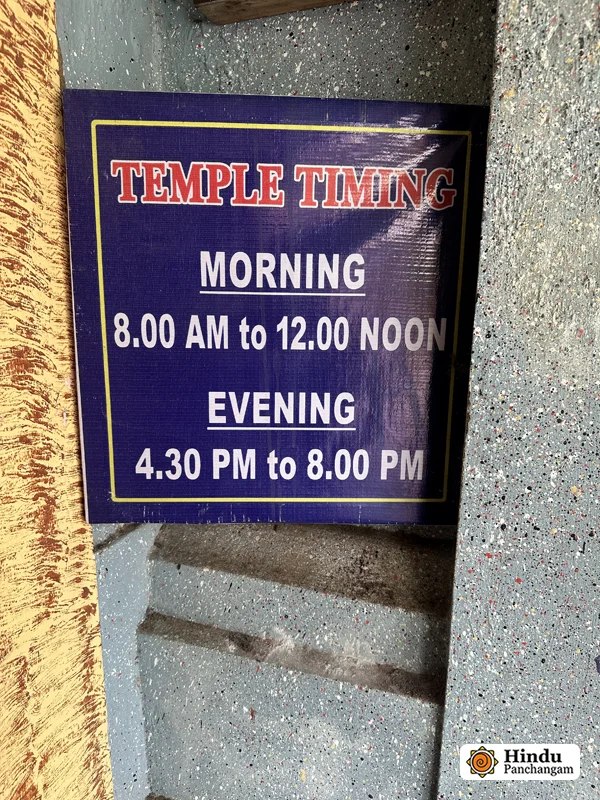
| Timings | 8:00 AM – 12:00 PM, 4:30 PM – 8:00 PM |
Best Time to Visit
There are three particularly meaningful periods to consider:
- Purattasi – September/October
- This is arguably the best time for devotees who specifically want to experience the Goddess's special Navaratri worship, because the full form of Akilandeswari is traditionally revealed throughout the nine days of Navaratri.
- Aadi – July/August
- Aadi Fridays are traditionally considered highly auspicious for Goddess worship.
- Maasi – February/March
- This period includes Maha Shivaratri, another particularly important occasion when devotees can have the special full-form Darshan of Akilandeswari.
For a quieter visit: Avoid major festival days and visit on an ordinary weekday morning.
Why this temple is a Parigara Sthalam
Karuvalarcheri is particularly regarded in devotional tradition as a Parigara Sthalam for childlessness, pregnancy-related prayers and the healthy development of the foetus.
The central reason is the unique form and name of Goddess Akilandeswari as Karu Valarkkum Nayaki — the Mother who blesses the growth of the foetus.
Devotees traditionally believe that worship at this shrine can help those praying for:
- Progeny / Childbirth
- Healthy conception
- Healthy development of pregnancy
- Relief from obstacles associated with childbirth
- Safe and smooth delivery
- Blessings for mother and child
The temple is therefore especially significant to married couples praying for children and to women seeking the Goddess's blessings during pregnancy.
Sthala Puranam (Legend)
According to temple tradition, this sacred place is connected with Sage Agastya.
When the divine wedding of Lord Shiva and Goddess Parvati took place at Mount Kailash, the Devas, sages and celestial beings gathered in the north to witness the event. According to the traditional account, the northern side of the earth became heavily weighted while the southern side rose.
Lord Shiva instructed Sage Agastya to travel south and restore the balance of the earth. During his journey, Agastya worshipped Lord Shiva at this sacred place. He is traditionally believed to have installed and worshipped the Shiva Lingam here along with his wife Lopamudra.
Because Sage Agastya worshipped Shiva here, the Lord came to be known as Agastheeswarar.
The temple's tradition also gives special importance to Goddess Akilandeswari. She is regarded as a self-manifested Divine Mother associated with a sacred anthill (Putru). She is worshipped as Karu Valarkkum Nayaki, meaning the Mother who blesses the development and growth of the foetus.
The temple is traditionally regarded as an ancient shrine, with several sources describing it as being more than a thousand years old. However, for publication, it is better to describe the age as “an ancient temple with a long-standing tradition” unless you are citing a specific archaeological inscription or government record.
Parigaram (Remedy)
The primary remedy for childbirth is the Padi Pooja (worshipping the temple steps). Devotees clean the steps leading to the Goddess's shrine using pure ghee, draw a kolam, and offer 7 Vangala Manjal (Bengali Turmeric / Virali Manjal) along with a lemon. The priest performs a special pooja and returns the turmeric. The woman seeking a child must grind this turmeric, apply it during her daily bath, and pray until conception.
For those afflicted with *Putra Dosha* (an astrological affliction concerning progeny), an excellent remedy is to bathe in the sea at holy pilgrimage sites—such as Rameswaram or Tiruchendur—once every two or three months and offer heartfelt prayers to the presiding deity there.
What to do when you visit
A simple and respectful order of worship can be:
- Enter the temple with a calm mind.
- Worship Vinayaka first.
- Have Darshan of Lord Agastheeswarar.
- Worship Nandi and offer prayers.
- Visit Goddess Akilandeswari / Karu Valarkkum Nayaki.
- If visiting specifically for progeny-related prayers, ask the temple priest about the current Padi Pooja procedure.
- Offer Archana according to temple practice.
- Worship the Sri Chakra / Sri Chakra Maha Meru if included in the temple's current worship arrangement.
- Visit Sage Agastya and Lopamudra shrines if open.
- Pray quietly and receive Prasadam.
- If time permits, visit the associated Chandra Theertham.
Before You Visit
If you are visiting specifically for the traditional fertility-related worship:
- Contact the temple before travelling and confirm the current Padi Pooja procedure.
- Ask whether prior registration is required.
- Confirm the pooja timings.
- Ask which offerings should be brought.
- If travelling with an elderly person or pregnant woman, plan for sufficient rest.
- Wear modest/traditional clothing.
- Avoid visiting in a hurry; allow enough time for Darshan and prayer.
- Carry drinking water, especially during hot months.
- Do not assume that every ritual described online is currently performed exactly in the same manner.
- Follow the instructions of the temple priest/administration.
Special Rituals / Abhishekam
The most distinctive ritual feature is associated with Goddess Akilandeswari.
The Goddess is traditionally regarded as Swayambhu and associated with an anthill-like sacred form. Therefore, regular water, milk or Panchamritam Abhishekam is not performed to her in the usual manner. Instead, Thaila Kappu / oil-related ritual worship is associated with the Goddess.
Another special feature is the Sri Chakra and Sri Chakra Maha Meru worship. Sources describing the temple state that Archana is performed to these sacred forms rather than treating the Swayambhu form like an ordinary image.
The Padi Pooja is particularly associated with couples praying for progeny.
The full form of Akilandeswari is traditionally visible during:
- Maha Shivaratri
- All nine days of Navaratri
On ordinary days, the Goddess is partially covered and devotees generally see the face/upper portion.
Festivals
Maha Shivaratri and Navaratri are the grandest festivals here. Notably, these are the only 9 days when devotees can have a full darshan (viewing) of the Goddess's entire form. Aadi Fridays and Pradosham are also highly auspicious.
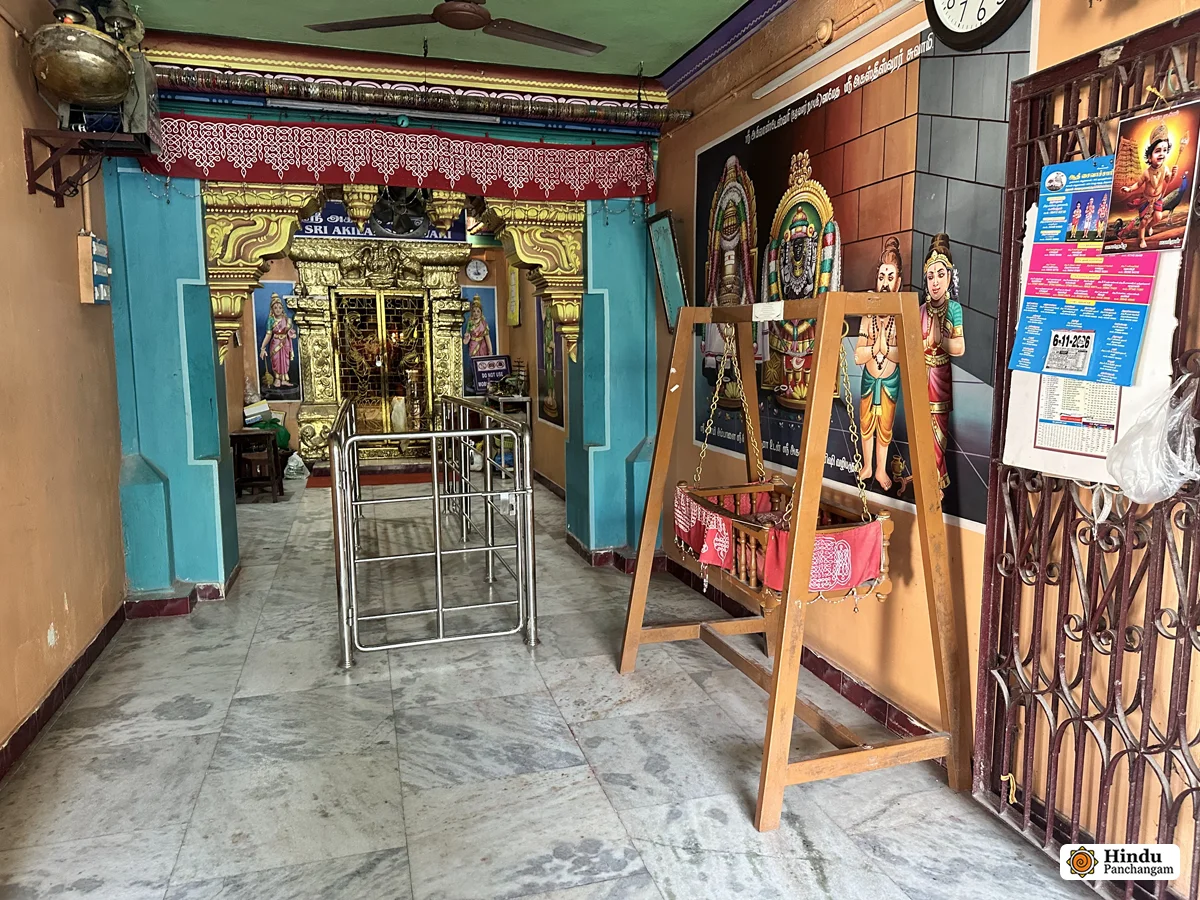
Gallery
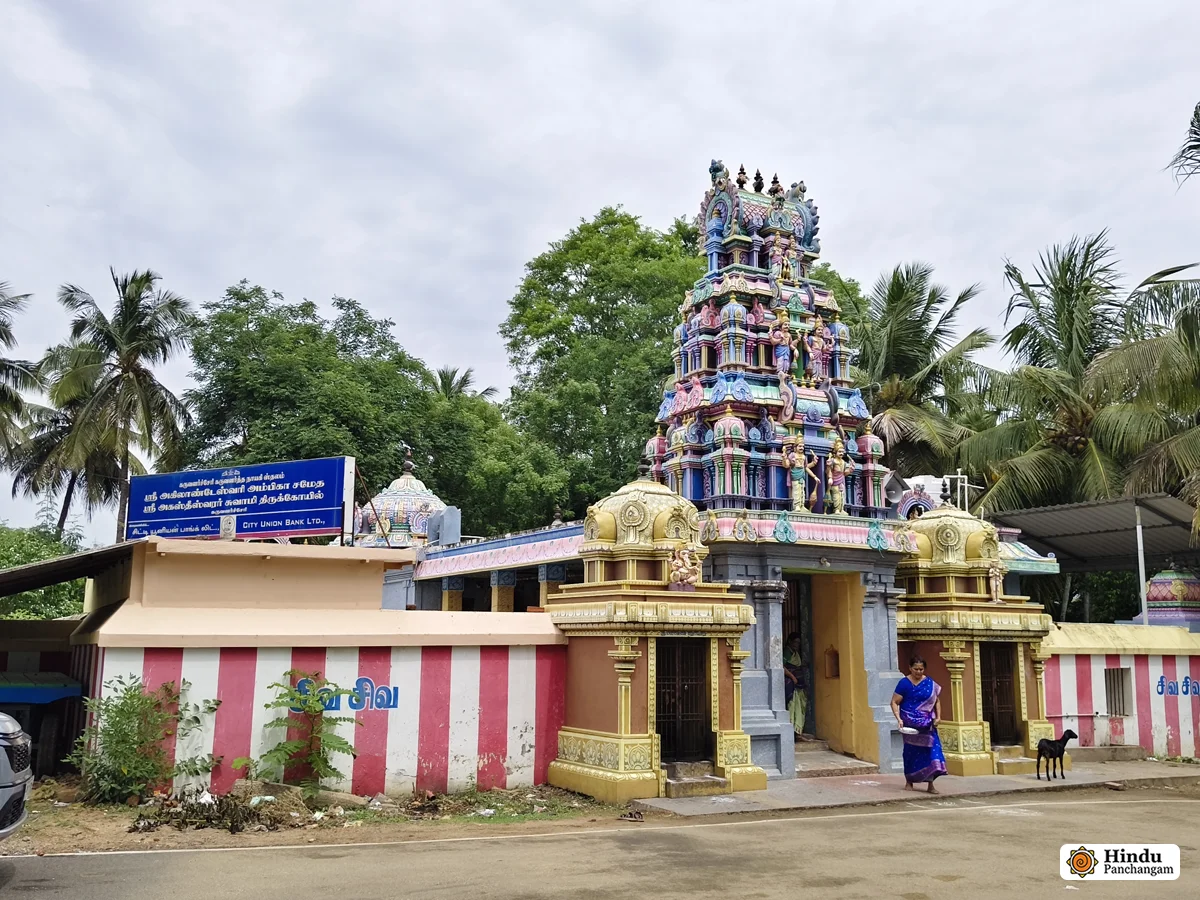
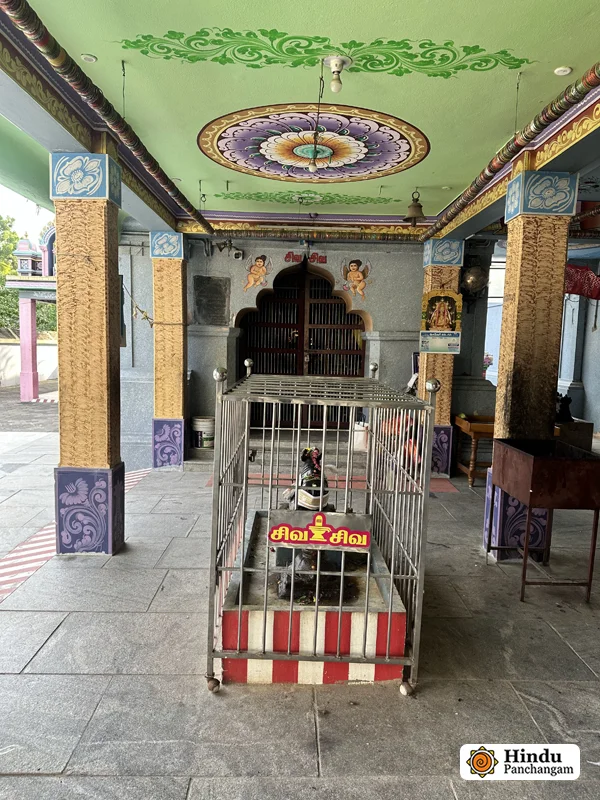
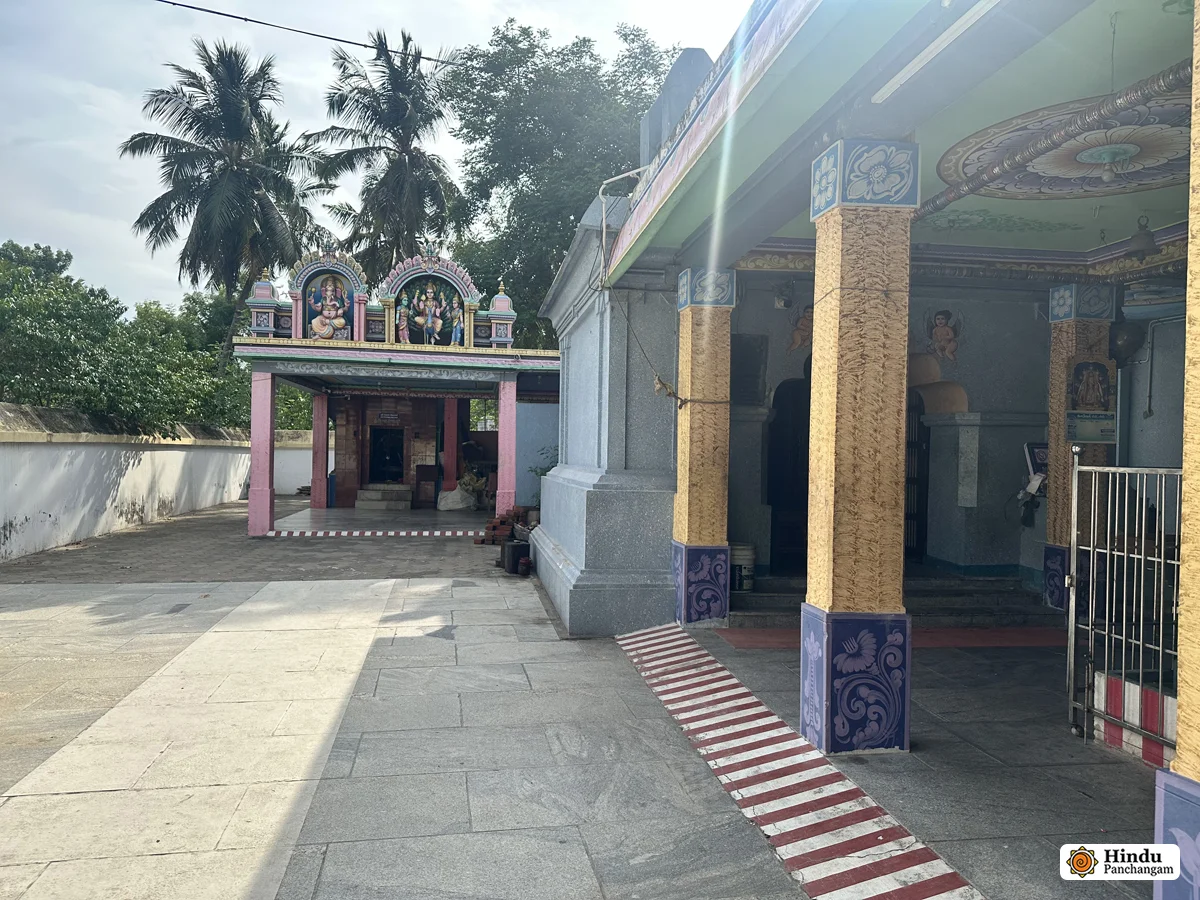
How to Reach
The temple is situated about 10-15 kilometers from the Kumbakonam town center. Kumbakonam is the nearest major railway station. From the Kumbakonam bus stand, you can take a local town bus heading towards Marudanallur or hire an auto-rickshaw/taxi directly to Karuvalarcheri.
Location Map
Is this temple right for you? Know your chart.
Find out which dosha affects your chart, the parigara temple best suited to you, and the exact remedies to perform — in a 30-minute personal consultation with Jyotishacharya Sermaraj.
₹499 — Book Personal Consultation → Jyotishacharya S. Sermaraj M.B.A. · HinduPanchangam.in · 31 Aug 2026