
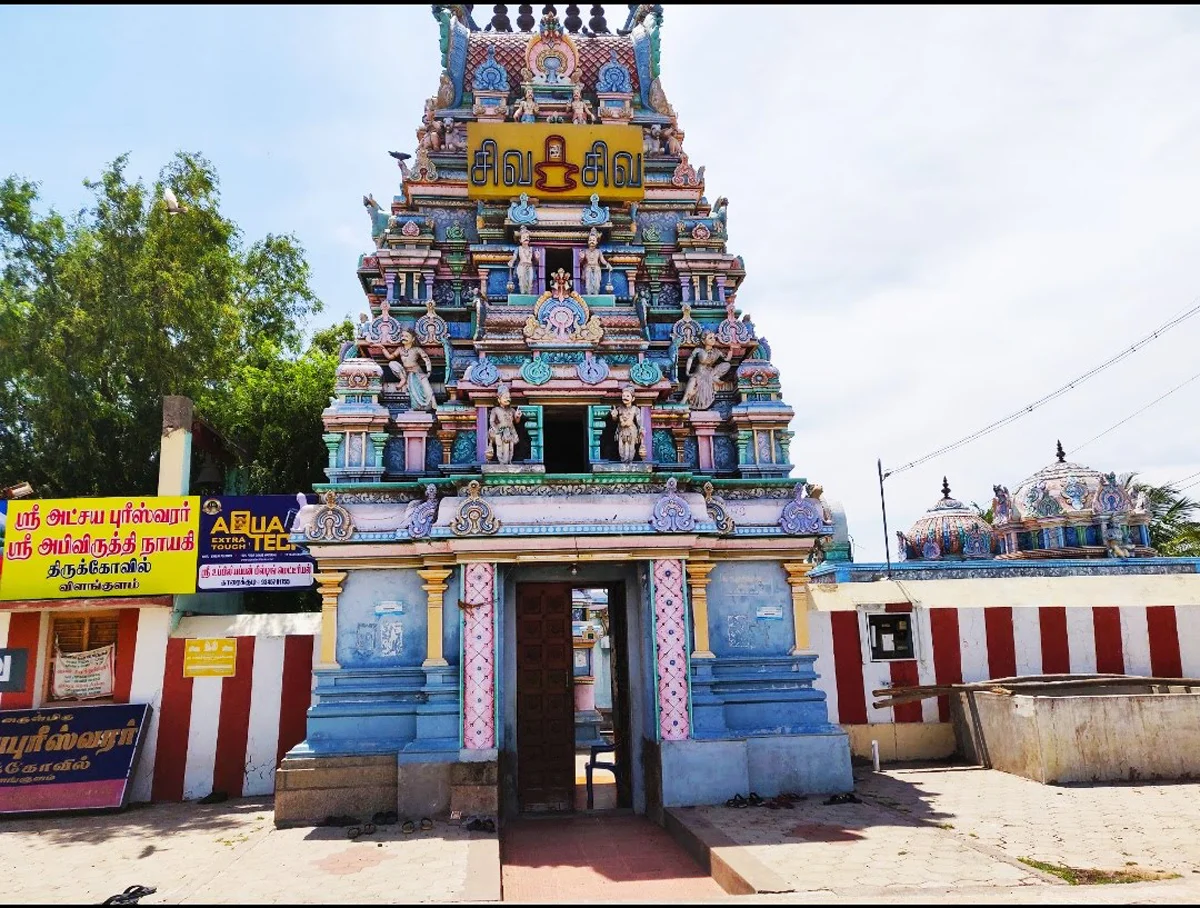
Vilankulam Sri Akshayapureeswarar Temple
Sri Akshayapureeswarar Temple at Vilankulam is an important Shiva temple associated with Poosam (Pushya) Nakshatra and Lord Saneeswaran (Saturn).
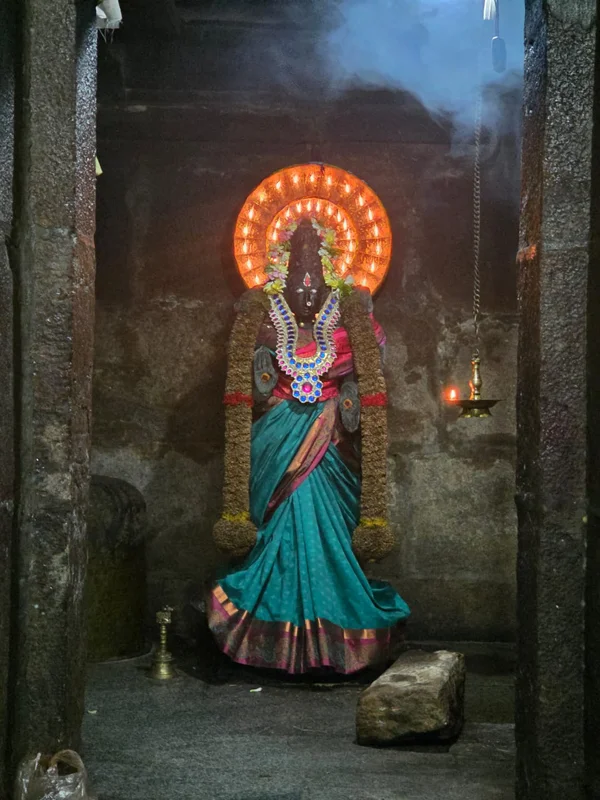
The presiding deity is Lord Akshayapureeswarar, with Goddess Abhivruddhi Nayaki as the consort. The temple is located in Vilankulam in Peravurani Taluk, Thanjavur District, Tamil Nadu, and is traditionally regarded as one of the temples associated with the 27 Nakshatras.
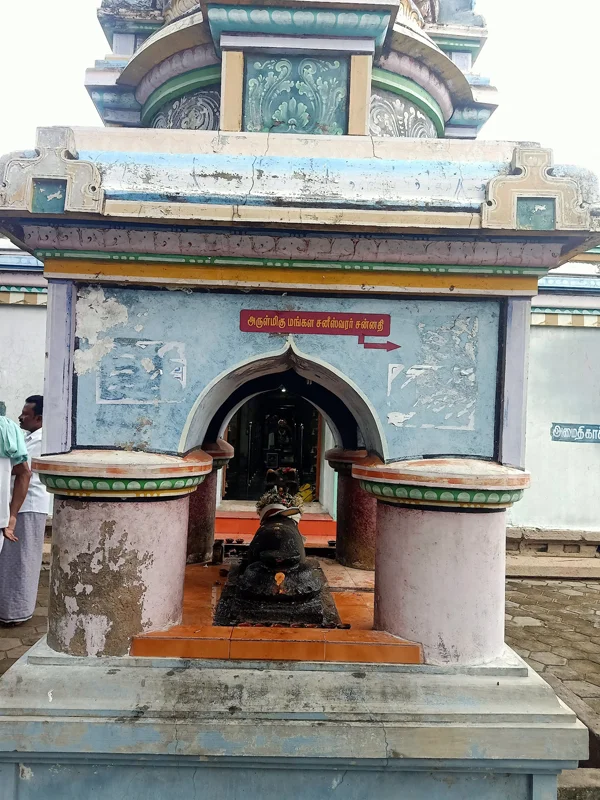
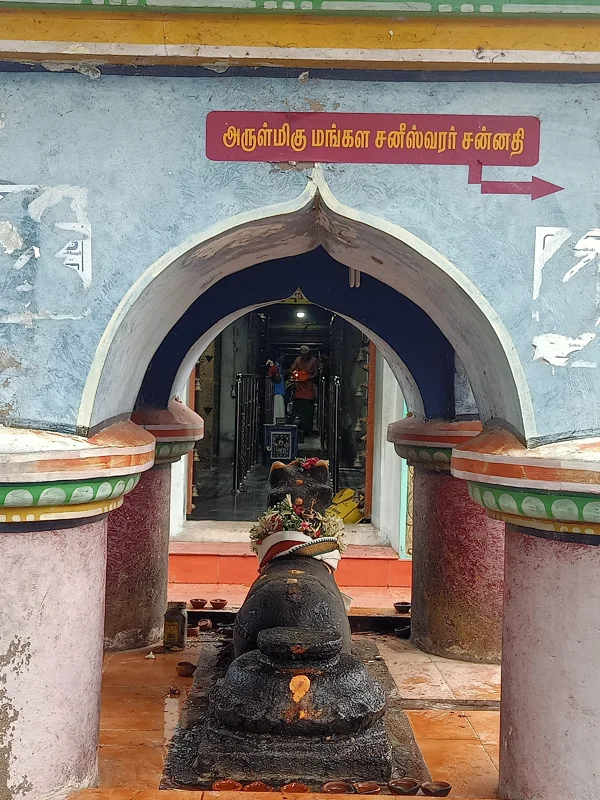
It is especially significant for people born under Poosam Nakshatra, the eighth among the 27 birth stars. The temple is particularly revered for its connection with Saneeswaran, who is believed to have received relief from a leg-related affliction after worshipping Lord Shiva here. Saneeswaran is also worshipped here in a distinctive wedding form with his consorts Mandha and Jyeshta, facing south.
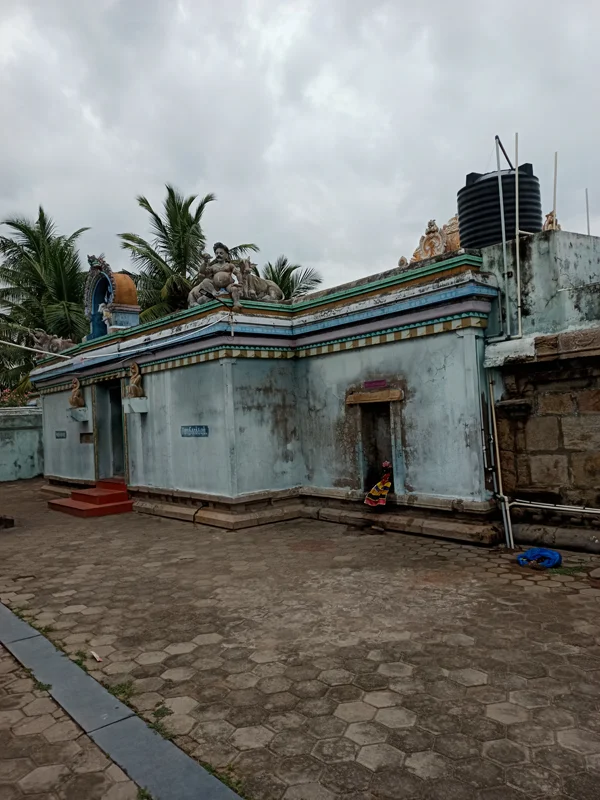
The temple is believed to be around 700 years old, with its present structure generally associated with the 13th century. An inscription is reported to record worship at the temple by Maravarman Parakrama Pandyan I.
| Moolavar | Akshayapureeswarar |
|---|---|
| Goddess | Abhivruddhi Nayaki |
| Tradition | Shaivam |
| Nakshatra | Pushya |
| Theertham | Poosa Gnanavavi |
| Timings | Saturday & Poosam Nakshatra Days: 8:00 AM - 8:00 PM |
Best Time to Visit
Saturdays, Poosam star days, Akshaya Tritiya
Why this temple is a Parigara Sthalam
Since Lord Sani himself found relief from his physical ailment and hardships at this exact site, it is considered a supreme remedy center. Devotees suffering from the adverse effects of Saturn (such as Ezharai Sani/7.5 years or Ashtama Sani), chronic illnesses (especially leg, joint, or bone-related), heavy debts, and obstacles in marriage come here to seek relief.
Who should worship?
By Planet — Saturn
- Those undergoing the seven-and-a-half-year Saturn cycle (where Saturn is positioned in the 12th, 1st, or 2nd house from their birth sign)
- Ashtama Sani (Saturn in the 8th house)
- Kandaka Sani (Saturn in the 4th, 7th, or 10th house)
- Those currently in the *Saturn Dasa* or *Bhukti* phase must perform worship dedicated to Saturn. Doing so will provide the mental strength to withstand any adverse effects.
- Business owners facing severe financial losses, stagnation, or heavy debts.
By Nakshatra
- Poosam / Pushya Nakshatra born people
- People facing marriage obstacles
- People struggling with debts or financial difficulties
- eople experiencing recurring health problems or difficulties involving the legs
- People seeking relief from fear, obstacles and difficult circumstances
Find Your Sani Status
Are you in Ezharai Sani, Ashtama Sani, or Sani Dasha? Check using your birth details.
Check Now →Mantra & Slokam
By Planet — Saturn
Om Kaakadhwajaaya Vidmahae, Khadga Hastaaya Dheemahi | Tanno Mandah Prachodayaat ||
Meaning: Om. Let us meditate on the deity who has a crow on his banner and a sword in his hand. May that slow-moving Lord Shani illumine our minds and inspire our intellect.
By Nakshatra
Om Brahma-Varchasaaya Vidhmahe, Mahaa-Dishaayaa-ya Dheemahi, Tanno Pushya Prachodayaat
Parigaram Items
| Item | Purpose |
|---|---|
| Black Sesame Seeds | To Light Lamps |
| Sesame Oil | To Light Lamps |
| Black Urad Dal | Used in offerings |
| Iron Items | Donated to the needy |
| Blue Water Lily | Archanai |
| Black Cloth (Vastra) | Offered to Sani Bhagawan |
| Vanni Tree Leaves | Archanai |
How to perform Parigaram at home
- Light a lamp with sesame oil on Saturday evening.
- Chant the Sani Gayatri Mantra 108 times or as many times as possible.
- Donate black sesame seeds or sesame oil to those in need.
- Offering food to people with disabilities, daily wage workers, those working in sanitation and other unhygienic environments, the elderly, or the destitute is considered a highly beneficial remedy.
- Offering food to crows on Saturdays, especially curd rice mixed with sesame seeds, is one of the traditional remedies.
- Recite the Hanuman Chalisa or chant Hanuman mantras.
- These remedies are based on spiritual beliefs. Rather than worshipping Lord Sani out of fear, it is especially beneficial to give importance to discipline, patience, honesty, and helping others.
Sthala Puranam (Legend)
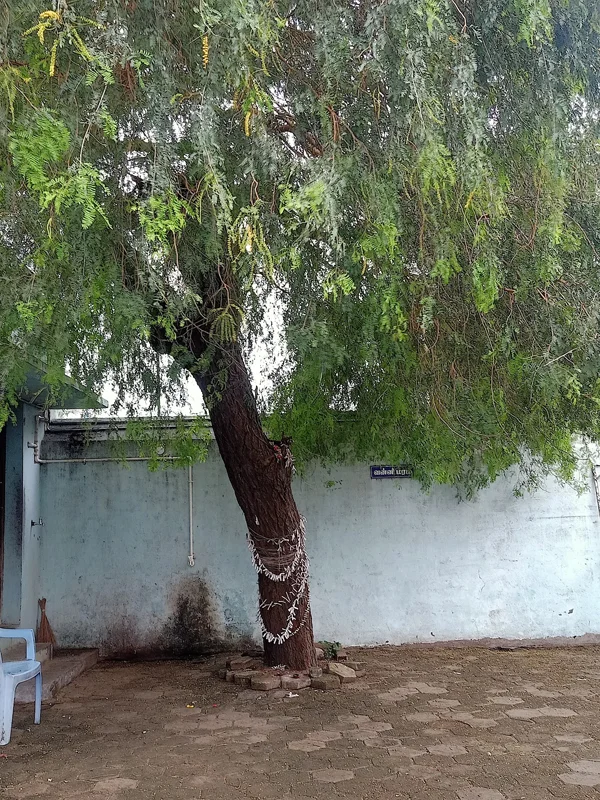
According to legend, Lord Yama (God of Death) struck his brother Sani (Saturn) on the leg, crippling him. Seeking a cure, Sani visited various Shiva temples. When he reached this spot, his leg got entangled in the roots of a Vila (Wood apple) tree and he fell. A hidden spring named Poosa Gnanavavi surged forth, and the force of the water helped Sani stand erect. Lord Shiva appeared, cured his lamed leg, and blessed him with marriage. Because this happened on a Saturday, during the Poosam Nakshatra on Akshaya Tritiya, the place was named Vilankulam (Vila tree + Kulam/spring). Uniquely, Lord Sani graces devotees here alongside his two consorts, Mandha and Jyestha, as Aadhibruhat Saneeswara.
Poosa Marungar Siddhar – A Unique Tradition of the Temple
According to a traditional belief associated with this temple, Poosa Marungar Siddhar, who is said to have attained a spiritual realm associated with Poosam Nakshatra, possessed extraordinary spiritual powers. It is believed that the Siddhar would bring the sacred Sanivaari Theertham from the realm of Lord Saneeswaran and ceremonially add it to the sacred waters of various temples on Earth. Because of this divine association, those temples are traditionally believed to have gained a special connection with Lord Saneeswaran. Poosa Marungar Siddhar is also revered as the spiritual preceptor of the Pithrasayi crows, which are traditionally believed to possess the rare ability to travel between the Solar Realm (Surya Loka) and the Realm of the Ancestors (Pitru Loka). According to the Sthala tradition, Poosa Marungar Siddhar continues to worship Lord Akshayapureeswarar at this temple every day, even though he is believed to exist beyond the physical realm. This belief adds another unique spiritual dimension to the temple's special connection with Poosam Nakshatra and Lord Saneeswaran.
Parigaram (Remedy)
For devotees born under Poosam Nakshatra, traditional practice gives special importance to visiting the temple on:
- Poosam Nakshatra day
- Saturday
- Akshaya Tritiya
- A Saturday coinciding with Poosam Nakshatra is considered especially significant.
A traditional remedy described for Poosam Nakshatra natives is to offer Abhishekam to Saneeswaran with eight items and perform eight circumambulations around the shrine. The eight offerings mentioned in traditional sources include:
- Sesame oil
- Honey
- Panchamirtham
- Punugu
- Tender coconut water
- Sandalwood/sandal paste
- Milk
- Curd
The exact availability of each abhishekam service may vary, so devotees should confirm the day's arrangements with the temple before travelling.
What to do when you visit
A simple traditional worship sequence can be: 1. Vijaya Vinayaka → 2. Akshayapureeswarar → 3. Abhivruddhi Nayaki → 4. Saneeswaran → 5. Other important shrines
The temple has a distinctive Vijaya Vinayaka shrine opposite the main temple, with Vinayaka facing towards his father Shiva.
After worshipping Vinayaka, devotees can proceed to the main shrine and offer prayers to Akshayapureeswarar and Abhivruddhi Nayaki. For Poosam Nakshatra natives performing Sani-related parihara, special attention may be given to the Saneeswaran shrine.
If an Abhishekam has been booked, devotees should follow the temple's instructions. It is also worthwhile to respectfully visit the Poosa Gnanavavi, the sacred water source associated with the Sthala Purana, if access is permitted on the day.
Before You Visit
If you are visiting specifically for Poosam Nakshatra or Sani Pariharam:
- Check the Poosam Nakshatra date before planning your journey.
- Saturday is traditionally considered an important day for Saneeswaran worship.
- Akshaya Tritiya is particularly significant at this temple.
- Contact the temple before travelling if you want to perform a special Abhishekam.
- Confirm temple timings.
- Dress modestly and traditionally where possible.
- If you are travelling with elderly devotees, allow extra time because the temple is in a rural location.
- Avoid assuming that every special puja is available every day.
- Carry cash for archana, offerings and temple services if required.
- Follow the temple's current instructions regarding photography, theertham and access to sacred areas.
Special Rituals / Abhishekam
Several worship practices are traditionally associated with this temple.
Saneeswaran Abhishekam
The most important parihara worship is the Abhishekam to Saneeswaran, particularly for Poosam Nakshatra devotees and those seeking relief from traditional Saturn-related difficulties.
Dakshinamurthy Worship
Special worship is traditionally performed for Dakshinamurthy on Thursdays.
Nandi Worship
Special Abhishekam and worship are associated with Pradosham for Nandi.
Bhairava Worship
Bhairava receives special worship on Theipirai Ashtami, the eighth lunar day of the waning fortnight.
Akshaya Tritiya Special Worship
Akshaya Tritiya is one of the most important occasions at this temple. Special Abhishekam and worship are traditionally conducted for Akshayapureeswarar and Abhivruddhi Nayaki on this day.
Learn More
Shani is the divine personification of the planet Saturn and the supreme enforcer of karma, time, and cosmic justice in Hindu mythology and Vedic astrology. Born to Surya (the sun god) and Chhaya (the goddess of shadow). Depicted with a dark or blue-black complexion, carrying a sword, dagger, or scepter, and typically riding a crow or a buffalo. Regarded as a slow-moving deity (Sanaischara) who values deep humility, realism, and discipline over arrogance and ego. Rather than a malicious punisher, Shani acts as a strict teacher who uses delays, restrictions, and hard work to break false ego and instill resilience. He dispenses exact results based entirely on an individual's past and present thoughts, speech, and actions. Key Transits: Associated with significant astrological periods like Sade Sati (a 7.5-year cycle) and Shani Mahadasha (a 19-year planetary period) which test patience and restructure life for long-term stability.
Charity / Daana
- Donate black sesame seeds.
- Donate sesame oil.
- Donate black-colored clothes to those in need.
- Donate iron items.
- Donate footwear and essential items to the poor.
- Donate black-colored grains such as black gram (urad dal).
- Offer food to the poor, elderly, and destitute.
- Provide necessary assistance to people with disabilities and daily wage workers.
- Offer food to crows.
- Perform Annadanam (food donation) on Saturdays, according to your ability.
Important: Donations are best offered not merely to “appease” Lord Shani, but with the sincere intention of helping alleviate the suffering of others. Honesty, patience, discipline, hard work, and helping others are also considered important virtues associated with Lord Shani.
Key Facts
Favorable / Unfavorable Signs
Rishabam (Taurus), Mithunam (Gemini), Kanni (Virgo), Thulaam (Libra), Makaram (Capricorn), Kumbam (Aquarius)
Festivals
The principal festivals associated with the temple include:
- Akshaya Tritiya
- Maha Shivaratri
- Thirukarthigai
- Margazhi Thiruvathirai
Akshaya Tritiya is particularly important because of the temple's connection with the Sthala Purana of Saneeswaran.
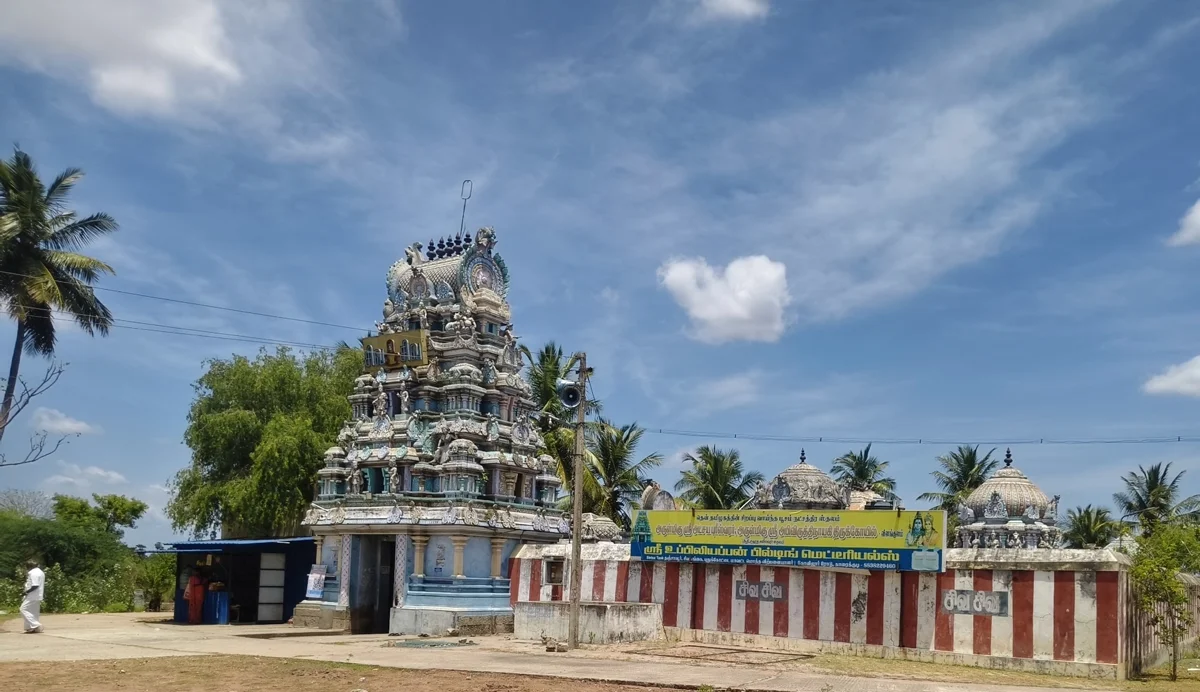
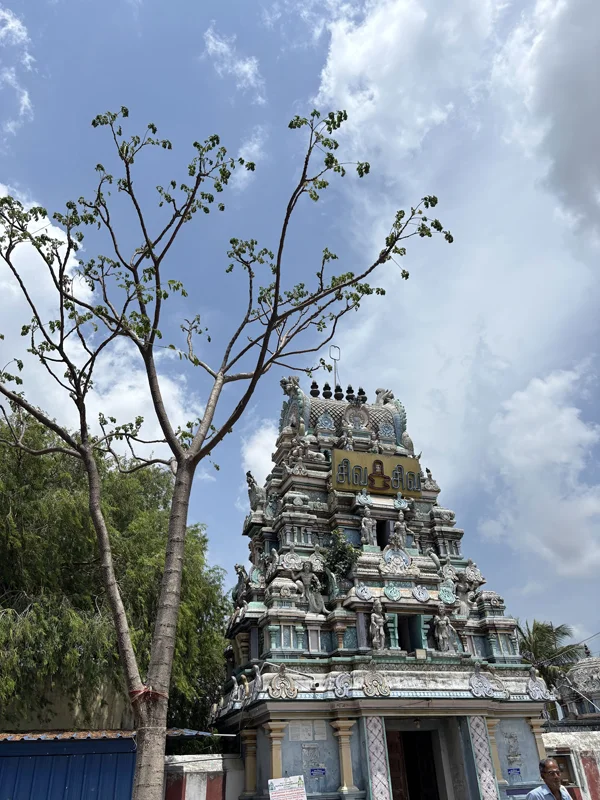
Gallery
How to Reach
From Pattukkottai: The temple is approximately 30 km from Pattukkottai. It is located near the East Coast Road, with the temple situated about 2 km from the Vilankulam checkpoint/road area.
From Peravurani: The temple is approximately 20 km from Peravurani, via Rettavayal and Perumagalur.
The temple is in a rural area, so travelling by private vehicle or taxi can be more convenient, particularly for elderly devotees or families.
Location Map
Is this temple right for you? Know your chart.
Find out which dosha affects your chart, the parigara temple best suited to you, and the exact remedies to perform — in a 30-minute personal consultation with Jyotishacharya Sermaraj.
₹499 — Book Personal Consultation → Jyotishacharya S. Sermaraj M.B.A. · HinduPanchangam.in · 04 Sep 2026