
Thirunallar Saneeswaran Temple
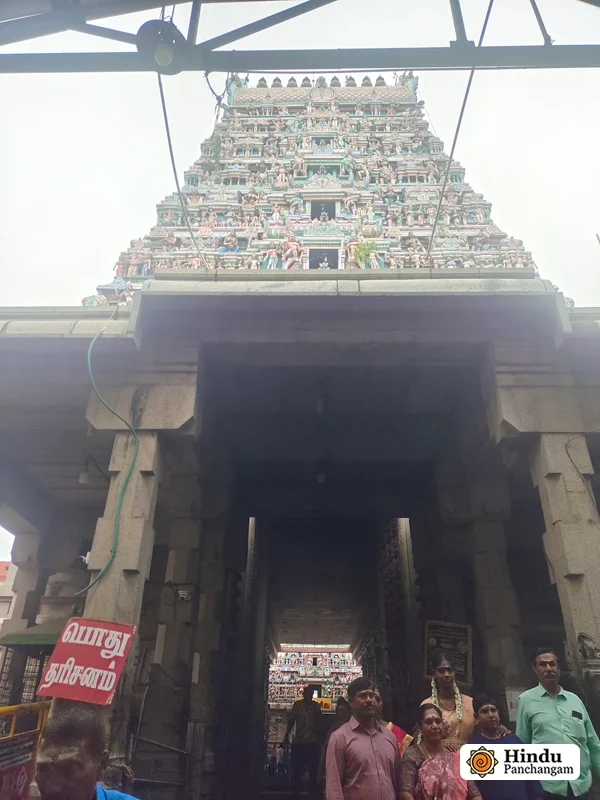
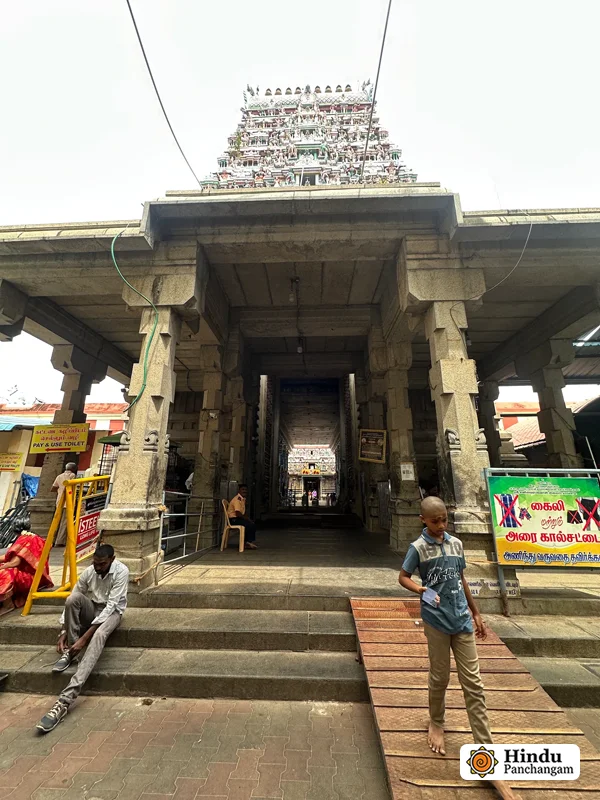
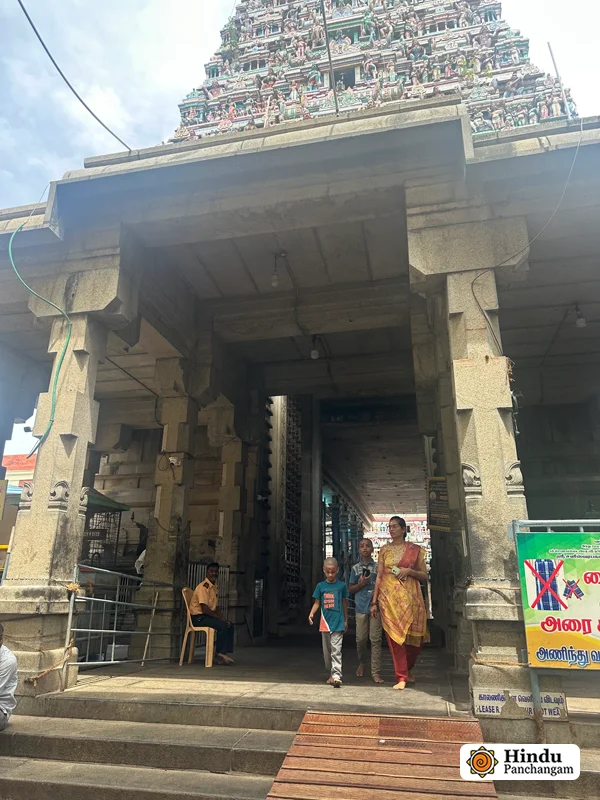
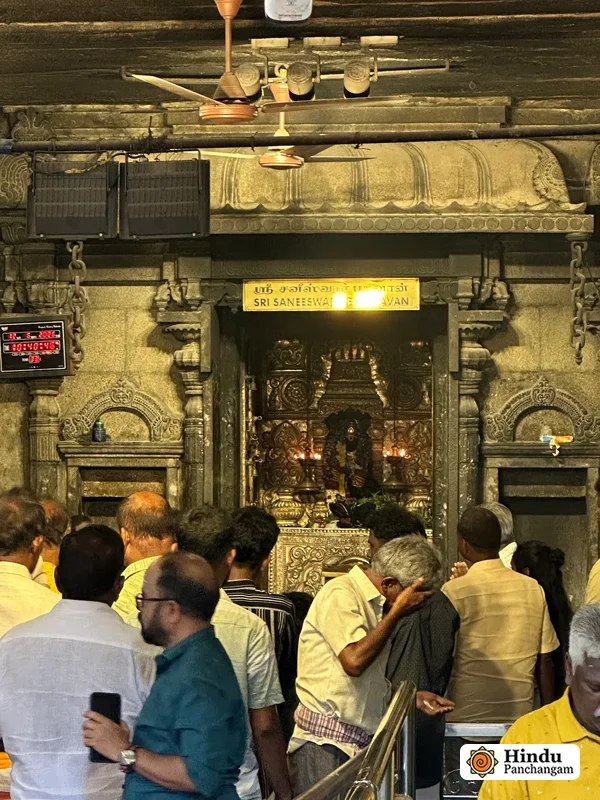
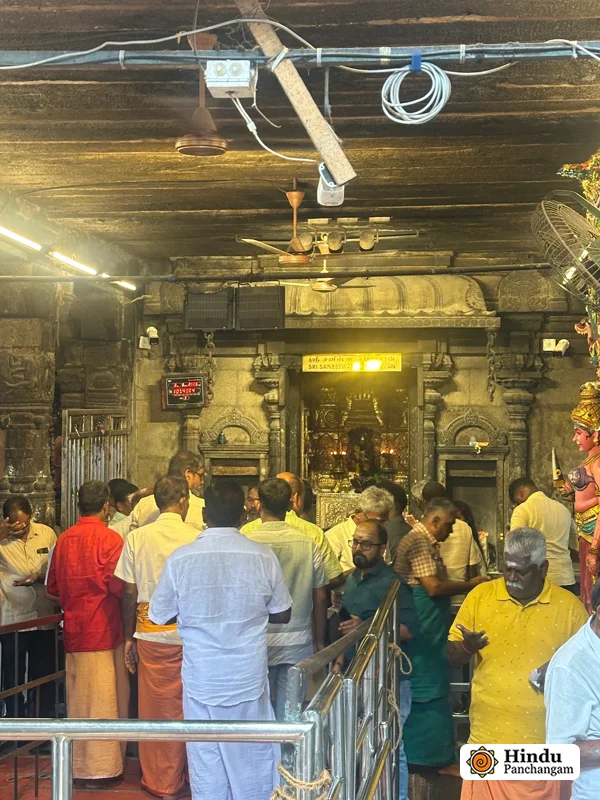
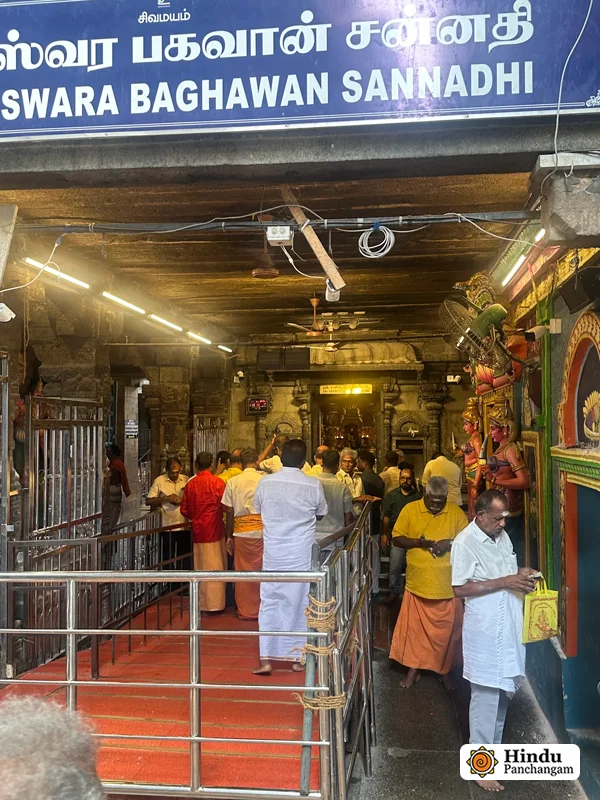
Situated in the serene town of Thirunallar near Karaikal (Puducherry UT), the Sri Dharbaranyeswarar Temple is a globally renowned Hindu pilgrimage site. Though the primary deity is Lord Shiva in the form of Dharbaranyeswarar, this temple is most famous for its separate shrine dedicated to Lord Saneeswaran (Saturn). It is one of the core Navagraha temples, specifically representing the planet Saturn. Thirunallar is one of the most revered temples where Lord Saneeswaran is believed to have shed his malefic influence and manifested as Anugraha Murthi, blessing devotees with his divine grace. Devotees from all over the world flock here to seek relief from the adverse effects of "Sade Sati" (7.5 years of Saturn), Ashtama Sani, or Ardhastama Sani. Taking a holy dip in the Nala Theertham before offering prayers is considered highly purifying and clears karmic debt.
| Moolavar | Sri Dharbaranyeswarar |
|---|---|
| Goddess | Sri Pranambigai / Bogamartha Poonmulayal |
| Tradition | Shaivam |
| Rasi | Capricorn (Magaram), Aquarius (Kumbam) |
| Theertham | Nala Theertham, Brahma Theertham, and Vani Theertham. Apart from these, there are Anna Theertham, Ganga Theertham (the well located in the Nala Vinayagar temple on the banks of Nala Theertham), and th |
| Timings | 6:00 AM to 12:30 PM, 4:00 PM to 9:00 PM |
Best Time to Visit
- Weekdays (Monday to Friday): Best for a peaceful visit with shorter waiting times.
- Saturdays: Considered the most auspicious day to worship Lord Saneeswaran (Saturn), but expect massive crowds, sometimes exceeding 50,000 devotees.
- Early Morning (5:00 AM – 7:00 AM): Ideal for avoiding heavy traffic, daytime heat, and attending early rituals such as the Usha Kaalam Pooja. Visiting after 2:00 PM on busy days can also help avoid the peak morning rush.
- Sanipeyarchi (Saturn Transit): Draws hundreds of thousands of pilgrims.
- Mahasivarathri: Celebrated grandly with high energy and large gatherings.
- Vaikasi Brahmotsavam: Held during May and June.
- Purattasi Pournami: Full moon days in September and October.
Why this temple is a Parigara Sthalam
This is a sacred temple that has received Thevaram hymns from all three Nayanmars — Thirugnana Sambandar, Thirunavukkarasar, and Sundarar. The Thirunallar Sthala Puranam states, “Even bathing in the waters of this sacred place can remove sins.” It is believed that merely visiting this temple can free devotees from their sins. Taking a holy bath in Nala Theertham, and even having a single drop of its sacred water fall on one's head, is believed to bring relief from suffering. This is the sacred place where King Nala was freed from the influence of Kali, the ruler of Kalinga received relief from a curse, King Urusirajan of Avanti attained Sayujya, King Thuyakandavarman of the Godavari region was relieved of the sin of killing a cow, and Agnivannar of the Kambila kingdom attained liberation. A special feature of this temple is that Lord Shani is depicted with two hands, blessing devotees with the Abhaya Mudra, symbolizing protection and freedom from fear. Devotees believe that taking a holy bath in Nala Theertham, located near the temple, helps reduce the effects of sins from previous births, as well as the negative influences associated with Sade Sati (7½-year Saturn period) and Ashtama Shani (Saturn's transit through the eighth house).
Who should worship?
By Planet — Saturn
- Those undergoing the seven-and-a-half-year Saturn cycle (where Saturn is positioned in the 12th, 1st, or 2nd house from their birth sign)
- Ashtama Sani (Saturn in the 8th house)
- Kandaka Sani (Saturn in the 4th, 7th, or 10th house)
- Those currently in the *Saturn Dasa* or *Bhukti* phase must perform worship dedicated to Saturn. Doing so will provide the mental strength to withstand any adverse effects.
- Business owners facing severe financial losses, stagnation, or heavy debts.
By Karanam
- Those born under the Shakuni Karana
Find Your Sani Status
Are you in Ezharai Sani, Ashtama Sani, or Sani Dasha? Check using your birth details.
Check Now →Mantra & Slokam
Om Kaakadhwajaaya Vidmahae, Khadga Hastaaya Dheemahi | Tanno Mandah Prachodayaat ||
Meaning: Om. Let us meditate on the deity who has a crow on his banner and a sword in his hand. May that slow-moving Lord Shani illumine our minds and inspire our intellect.
Parigaram Items
| Item | Purpose |
|---|---|
| Black Sesame Seeds | To Light Lamps |
| Sesame Oil | To Light Lamps |
| Black Urad Dal | Used in offerings |
| Iron Items | Donated to the needy |
| Blue Water Lily | Archanai |
| Black Cloth (Vastra) | Offered to Sani Bhagawan |
| Vanni Tree Leaves | Archanai |
How to perform Parigaram at home
- Light a lamp with sesame oil on Saturday evening.
- Chant the Sani Gayatri Mantra 108 times or as many times as possible.
- Donate black sesame seeds or sesame oil to those in need.
- Offering food to people with disabilities, daily wage workers, those working in sanitation and other unhygienic environments, the elderly, or the destitute is considered a highly beneficial remedy.
- Offering food to crows on Saturdays, especially curd rice mixed with sesame seeds, is one of the traditional remedies.
- Recite the Hanuman Chalisa or chant Hanuman mantras.
- These remedies are based on spiritual beliefs. Rather than worshipping Lord Sani out of fear, it is especially beneficial to give importance to discipline, patience, honesty, and helping others.
Sthala Puranam (Legend)
Thirunallar is widely known as a major Sani Parihara Sthalam, where devotees pray for relief from difficulties traditionally associated with Saturn. People visit the temple especially during periods such as:
- Sani Mahadasha or Antardasha
- Sade Sati
- Ashtama Sani
- Ardha Ashtama Sani
- Sani Peyarchi
- Delays and repeated obstacles
- Difficulties in career and finances
- Family-related struggles
- Periods of prolonged uncertainty
According to the temple tradition, Lord Saneeswara Bhagavan is worshipped here as an Anugraha Murthy, blessing devotees with his Abhaya Hastha rather than being represented merely as a deity of punishment.
The Story of King Nala and Lord Saneeswara
The most famous legend associated with Thirunallar is the story of King Nala and Lord Saneeswara. King Nala, the ruler of the Nishadha kingdom, was renowned for his virtues and was married to the noble Damayanti. Their prosperous life was eventually disrupted by the influence of Saturn. Nala lost his kingdom and wealth and was separated from Damayanti. He was forced to endure a long period of hardship, uncertainty and humiliation. Seeking relief, Nala travelled to sacred places and eventually reached Thirunallar. Here, he bathed in the sacred waters and worshipped Lord Dharbaranyeswarar with deep devotion. According to the traditional Sthala Purana, through the grace of Lord Dharbaranyeswarar and the benevolence of Lord Saneeswara, Nala was freed from his difficulties. He eventually regained his kingdom, prosperity and family life. The sacred tank associated with Nala is known today as Nala Theertham.
The Meaning Behind the Name Thirunallar
The sacred history of the place is closely connected with King Nala. The region was traditionally known as Dharbaranyam, associated with the darbha grass that was believed to have grown abundantly here. The name Thirunallar is also traditionally connected with the story of Nala and his relief from suffering at this sacred place.
Nala Theertham
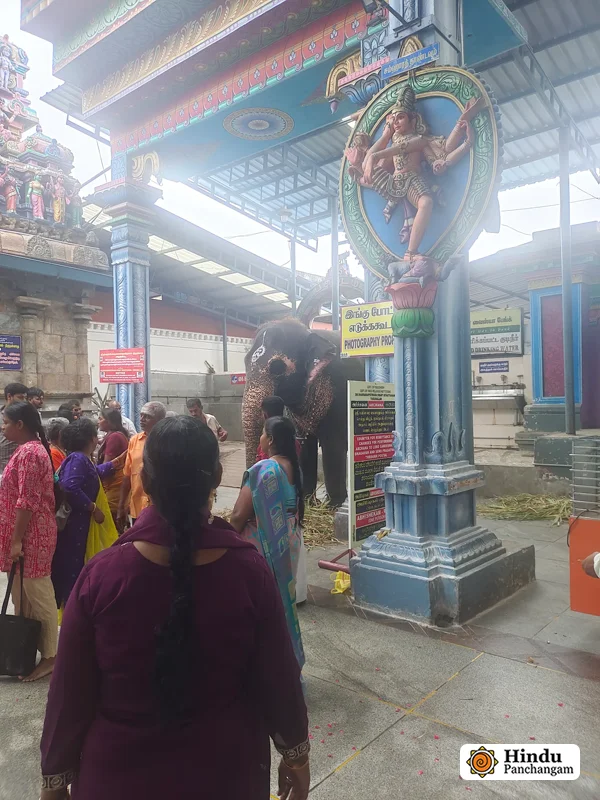
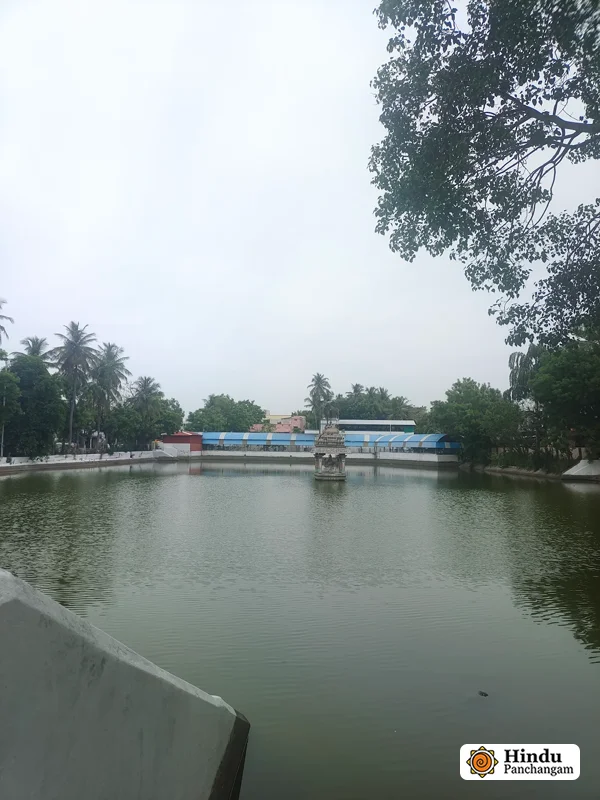
Nala Theertham is one of the most important sacred features of the temple. Devotees traditionally take a holy bath here before proceeding for worship at the temple. The ritual bath is regarded as an act of spiritual purification and is closely associated with the story of King Nala. The sacred waters are believed, according to temple tradition, to help devotees pray for relief from difficulties and the adverse effects traditionally associated with Saturn.
Parigaram (Remedy)
- Nala Theertham Dip: The most crucial parigaram is taking a bath (or sprinkling water on your head) in the Nala Theertham tank to wash away karmic doshas. Devotees often leave behind their old clothes here as a symbol of shedding their past misfortunes. (However, the scriptures do not mention the practice of leaving behind old clothes; it is advisable to avoid doing so.)
- Ellu Deepam (Sesame Lamp): Lighting lamps with sesame seeds and gingelly oil is the primary offering to Lord Sani to appease him.
- Archana Offerings: Offering black cloth, black gram, and blue flowers to Lord Saneeswaran.
- Annadhanam: Curd rice is typically offered as Prasadam to the deity. Feeding the poor is considered an excellent remedy during your visit.
What to do when you visit
To worship Lord Shani at the Thirunallar Dharbaranyeswarar Temple, devotees traditionally begin by taking a holy bath in Nala Theertham, followed by offering prayers to Kali Theertha Vinayagar. They then have darshan of the main deity, Lord Shiva, and finally worship Lord Shani by lighting a sesame oil lamp and offering blue-colored flowers with sincere devotion. This is considered the traditional way of worshipping Lord Shani at the temple.
Before You Visit
Best Day: Saturday is considered especially auspicious for worshipping Lord Shani. Saturdays, Shani Peyarchi days, and important temple festivals can be particularly crowded. Best Time: Early morning is generally preferable, especially if you plan to take a holy bath in Nala Theertham and complete the temple worship peacefully. What to Carry: Carry a small towel and a change of clothes if you plan to take a holy bath. Devotees may also carry flowers, fruits, sesame oil, or other traditional offerings. Dress: Wear clean and modest traditional or comfortable clothing suitable for temple worship. If taking a holy bath, carry an extra set of clothes. Temple Offerings: Flowers, fruits, sesame oil, and other permitted offerings may be taken according to your preference. Check the temple's current rules before carrying offerings. Nala Theertham: Devotees traditionally take a holy bath at Nala Theertham before entering the temple. Follow the instructions and facilities provided at the site. Temple Queue: Saturdays and special occasions can be very crowded. Allow additional time for bathing, darshan, and completing the traditional worship sequence. Footwear: Footwear should be removed before entering the designated temple areas. Avoid carrying valuables that may be inconvenient to manage. Photography: Follow the temple's rules regarding photography and mobile-phone usage. Photography may be restricted in certain areas. Senior Citizens: Elderly devotees and those who may have difficulty standing for long periods should plan their visit accordingly and make use of available facilities where permitted. Important: Temple timings, special pooja schedules, crowd arrangements, and facilities may change during festivals and special occasions. It is advisable to verify the latest information before travelling.
Special Rituals / Abhishekam
- Abhishekam and Sahasra Namarchana (Only for Sani Bhagawan, excluding Saturdays; 30 minutes duration): ₹300
- Navagraha Shanti Homam (Weekdays/non-Saturdays; 45 minutes duration): ₹3,000
- Navagraha Shanti Homam (On Saturdays; 45 minutes duration): ₹13,000
- Astottara Archana (For one year on every Saturday): ₹1,000
- Astottara Archana (For one year on the monthly birth star day): ₹350
- Sahasra Namarchana (Monthly on the birth star day for one year): ₹2,600
- Procession of Lord Saneeswara Bhagawan on the Golden Crow Vahanam: ₹10,000
- Laksharchana to Lord Saneeswara Bhagawan: ₹9,000
- Mahanyasa Ekadasa Rudrabhishekam: ₹10,000
Learn More
Shani is the divine personification of the planet Saturn and the supreme enforcer of karma, time, and cosmic justice in Hindu mythology and Vedic astrology. Born to Surya (the sun god) and Chhaya (the goddess of shadow). Depicted with a dark or blue-black complexion, carrying a sword, dagger, or scepter, and typically riding a crow or a buffalo. Regarded as a slow-moving deity (Sanaischara) who values deep humility, realism, and discipline over arrogance and ego. Rather than a malicious punisher, Shani acts as a strict teacher who uses delays, restrictions, and hard work to break false ego and instill resilience. He dispenses exact results based entirely on an individual's past and present thoughts, speech, and actions. Key Transits: Associated with significant astrological periods like Sade Sati (a 7.5-year cycle) and Shani Mahadasha (a 19-year planetary period) which test patience and restructure life for long-term stability.
Charity / Daana
- Donate black sesame seeds.
- Donate sesame oil.
- Donate black-colored clothes to those in need.
- Donate iron items.
- Donate footwear and essential items to the poor.
- Donate black-colored grains such as black gram (urad dal).
- Offer food to the poor, elderly, and destitute.
- Provide necessary assistance to people with disabilities and daily wage workers.
- Offer food to crows.
- Perform Annadanam (food donation) on Saturdays, according to your ability.
Important: Donations are best offered not merely to “appease” Lord Shani, but with the sincere intention of helping alleviate the suffering of others. Honesty, patience, discipline, hard work, and helping others are also considered important virtues associated with Lord Shani.
Key Facts
Favorable / Unfavorable Signs
Rishabam (Taurus), Mithunam (Gemini), Kanni (Virgo), Thulaam (Libra), Makaram (Capricorn), Kumbam (Aquarius)
Festivals
Sani Peyarchi: The most massive event at the temple, occurring once every two and a half years when the planet Saturn transits from one zodiac sign to the next. Lakhs of devotees gather for this event. Brahmotsavam: Celebrated during the Tamil month of Vaikasi (May–June) for 18 days. Mahashivaratri: Grand pujas and four Kala (stages) worship are conducted for Lord Shiva throughout the night. Saturdays: Every Saturday is treated as a festival day, drawing immense crowds since it is the day dedicated to Lord Sani.
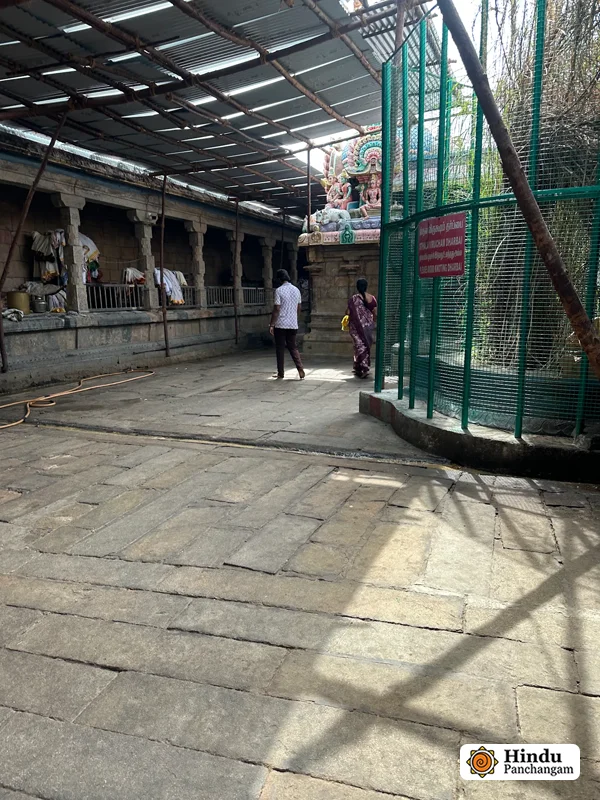
Gallery
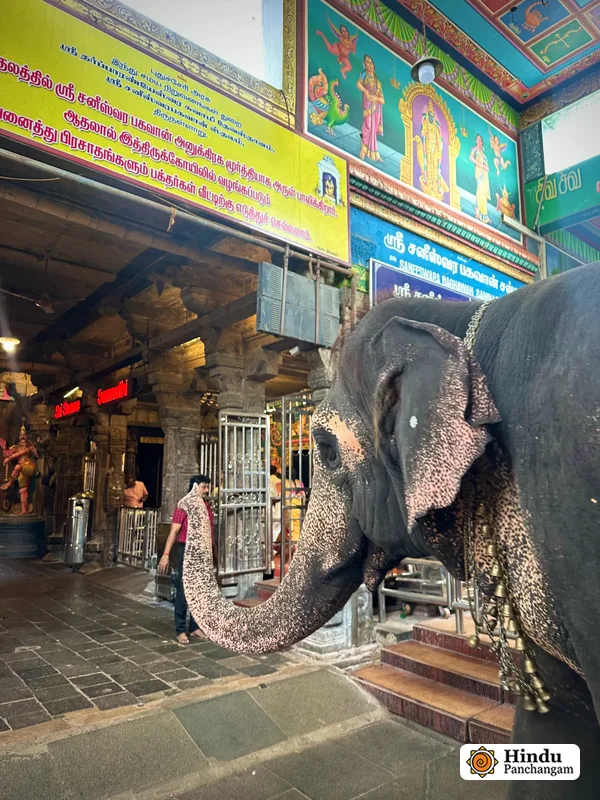
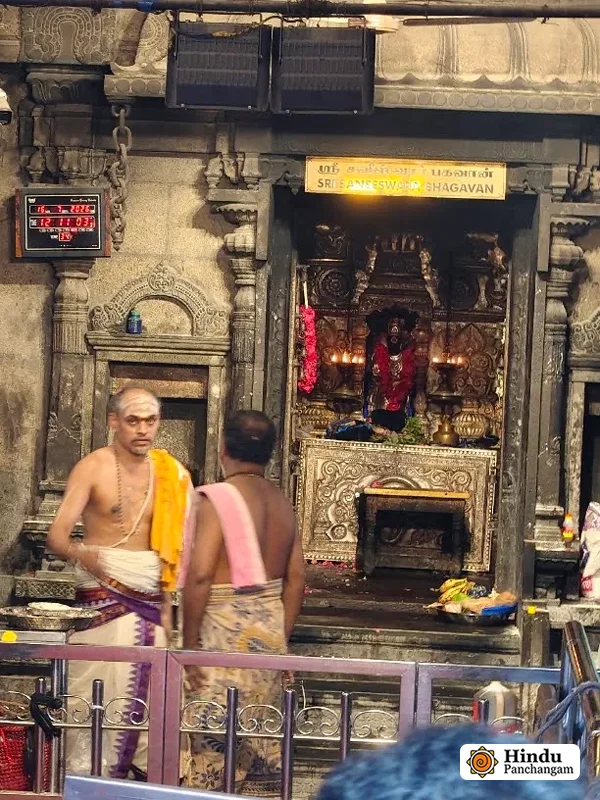
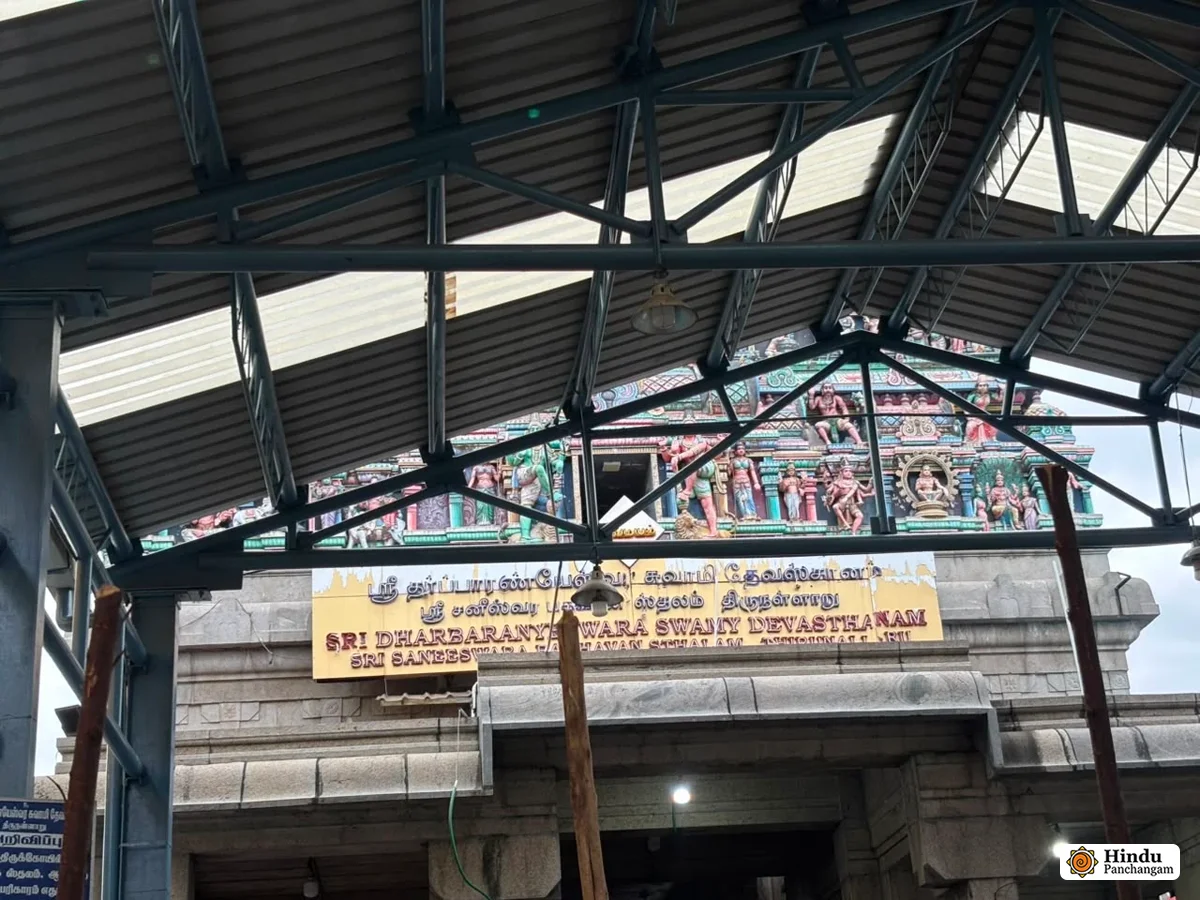
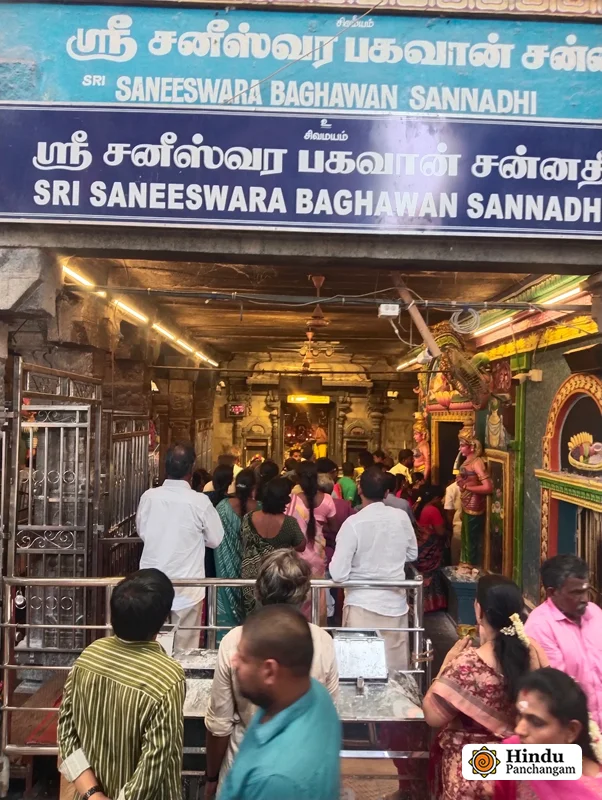
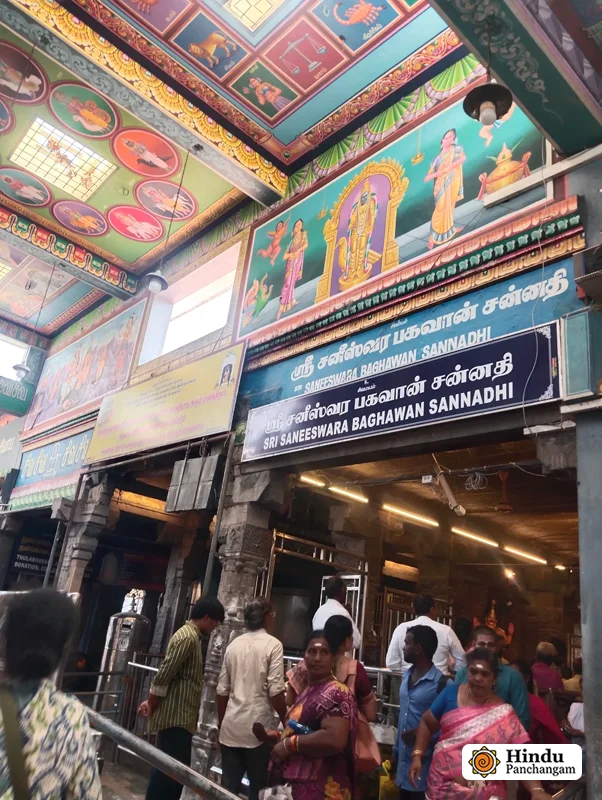
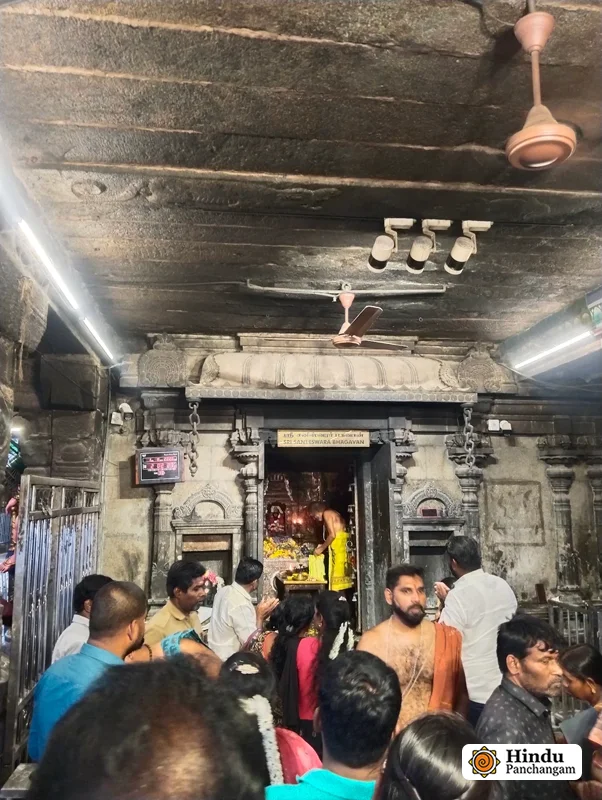
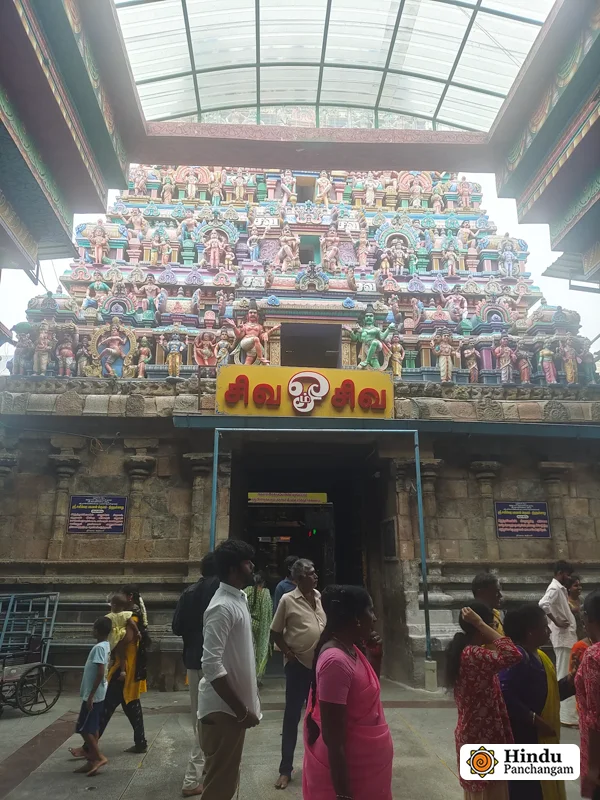
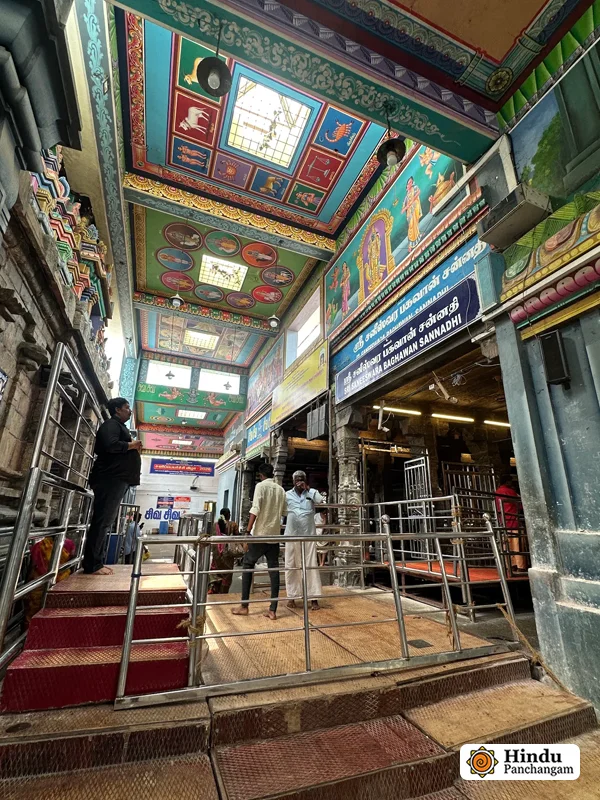
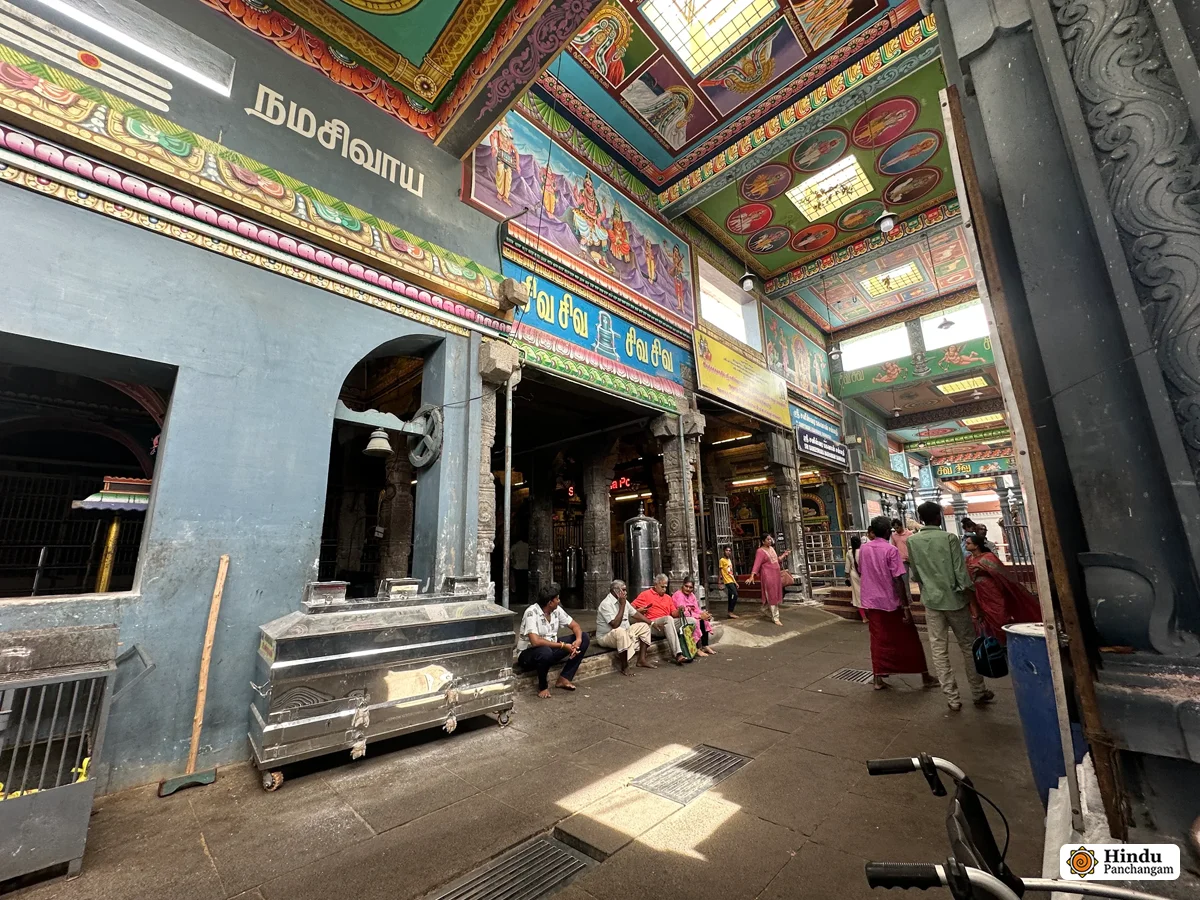
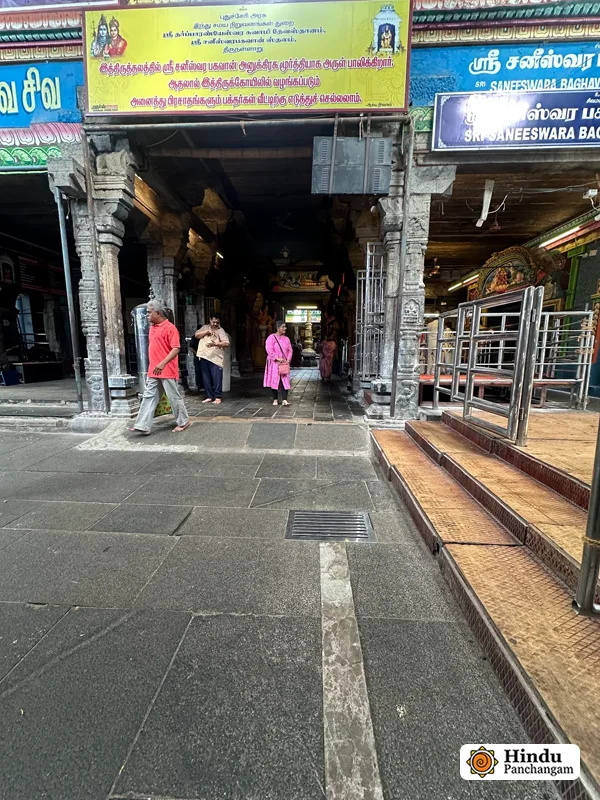
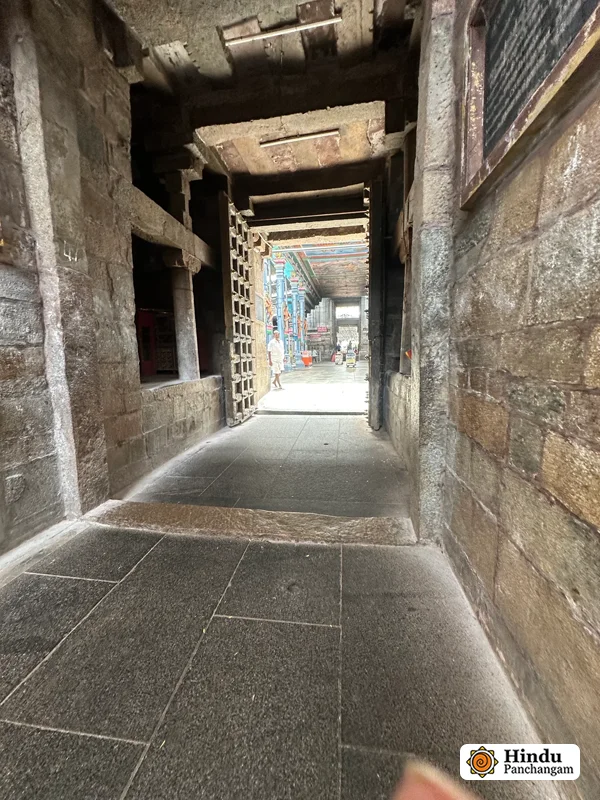
How to Reach
By Air: The nearest airports are Tiruchirappalli (Trichy) Airport (approx. 150 km) and Chennai International Airport (approx. 300 km).
By Train: Karaikal Railway Station is the closest major station, just 7 km away.
By Road: Thirunallar is well-connected by road. Frequent buses run from Chennai, Trichy, Kumbakonam, Thanjavur, and Pondicherry to Karaikal.
Nearby Temples
| Temple | Distance |
|---|---|
| Sundaresvarar Temple, Tiruvettakkudi | 12 km |
Location Map
Is this temple right for you? Know your chart.
Find out which dosha affects your chart, the parigara temple best suited to you, and the exact remedies to perform — in a 30-minute personal consultation with Jyotishacharya Sermaraj.
₹499 — Book Personal Consultation → Jyotishacharya S. Sermaraj M.B.A. · HinduPanchangam.in · 04 Sep 2026